
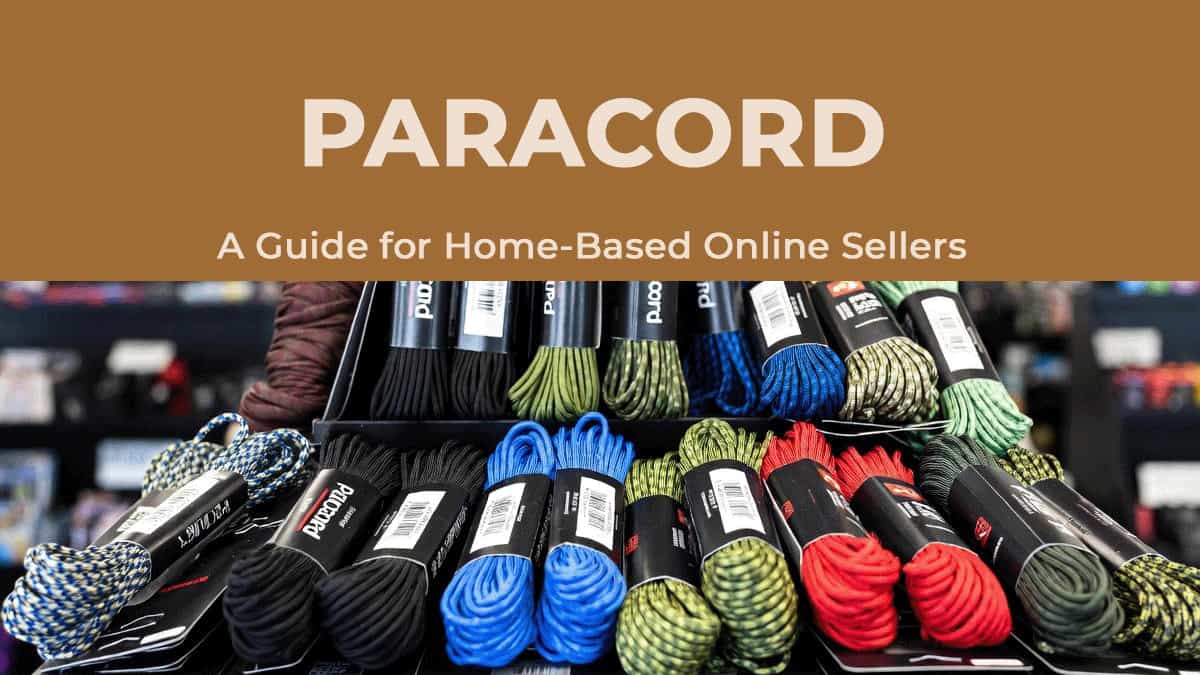
Paracord is a durable nylon cord originally developed for military parachutes and now widely used across multiple consumer markets. Its strength, flexibility, and versatility have made it a staple material for outdoor use, emergency preparedness, crafting, and utility applications. For home-based online sellers, it offers a broad product category rather than a single item, which creates multiple opportunities for positioning and expansion.
Sellers using WorldwideBrands.com gain access to verified wholesalers offering paracord in a wide range of lengths, colors, and specifications. With more than seventeen million products available through trusted suppliers, sourcing paracord does not require reliance on unverified manufacturers or inconsistent inventory sources. That reliability matters when selling a material that customers expect to perform consistently.
What makes this product appealing from a retail standpoint is its adaptability. Buyers use it for many different purposes, which allows sellers to market the same core product to different audiences without changing the underlying inventory.
Market Snapshot: The Rise of Paracord
The market for paracord continues to perform steadily in 2025, driven by ongoing interest in outdoor recreation, preparedness, and do it yourself projects. While it’s not a trend product, its long-term demand has proven resilient due to its practical applications across multiple categories.
Search data shows that interest in this product remains consistent throughout the year, with modest increases during spring and summer months when outdoor activity rises. Unlike seasonal gear, paracord benefits from use cases that extend beyond recreation, including home organization, crafting, and emergency kits. This broad application base helps stabilize demand.
Large retail platforms such as Amazon and specialty outdoor retailers continue to carry paracord as a core offering rather than a promotional item. That ongoing presence signals market maturity rather than saturation, giving sellers confidence that paracord demand is not dependent on short term trends.
Target Demographic: Who’s Buying Paracord?
The primary audience for paracord typically falls between ages twenty five and fifty five. These buyers value practical products that serve multiple purposes and often participate in outdoor activities, preparedness planning, or hands on hobbies. Many prioritize durability and function over aesthetics, which shapes how it should be presented in product listings.
This demographic frequently researches purchases before buying and responds well to clear explanations of material quality and use cases. They are active on platforms like YouTube, Reddit, and niche forums where practical demonstrations and real world applications are discussed. Sellers who understand these behaviors can tailor content to address how it fits into everyday use rather than positioning it as a novelty.
A secondary audience includes crafters and hobbyists who use paracord for custom projects. This group often shops online for specific colors or quantities and values reliable sourcing. While price still matters, availability and consistency play a larger role in purchasing decisions.
Demand and Competition Analysis for Paracord
Demand for paracord remains stable due to its wide range of applications and low cost of entry for buyers. Search trends indicate consistent interest rather than sharp spikes, which supports predictable sales patterns. This makes this product suitable for sellers who prefer steady volume over trend driven surges.
Competition varies by channel. On Amazon and eBay, paracord listings are numerous and often compete primarily on price. Platform fees and aggressive pricing can reduce margins, making it harder for sellers to differentiate without volume or advertising spend.
Independent websites present a different competitive environment. While traffic must be earned through search optimization and content, sellers gain control over pricing and presentation. Positioning paracord within a broader utility or preparedness context can justify higher margins and reduce direct price comparison.
Profit Margin Potential of Paracord
Paracord is generally inexpensive to source at wholesale. Average wholesale pricing often ranges from five to ten dollars per unit depending on length, quality, and order volume. Retail pricing commonly falls between fifteen and thirty dollars, depending on packaging and quantity.
On marketplaces, after referral and transaction fees, net margins typically land between thirty five and forty five percent. This margin can work at scale but leaves limited room for additional costs such as advertising or returns.
Selling paracord through an independent website improves margin potential. Without marketplace fees, sellers can retain closer to fifty to sixty percent gross margin after payment processing. Offering bundled quantities or positioning paracord as part of a broader product assortment can further improve average order value.
Year-Round Drawback of Selling Paracord
One challenge of selling paracord year round is product commoditization. Because paracord is widely available, many listings appear similar, especially on large marketplaces. This can lead to price pressure and reduced differentiation.
Another limitation is buyer perception. Some customers view paracord as a basic material rather than a premium product, which can limit pricing flexibility. Sellers who rely solely on single unit sales may find growth slower without expanding their catalog.
To address these challenges, successful sellers often focus on presentation, education, and positioning. Explaining use cases clearly and offering multiple purchasing options helps maintain relevance throughout the year.
Viability Verdict and Actionable Advice for Paracord
Paracord is a viable product line for home-based online sellers when treated as a category rather than a single item. Demand is consistent, sourcing is straightforward, and upfront costs are manageable. However, profitability depends on channel selection and positioning.
Before selling, analyze existing listings to understand pricing expectations and competition levels. On marketplaces, assess how fees impact margins. On independent websites, evaluate how utility focused brands present similar products.
Sourcing paracord through WorldwideBrands.com allows sellers to work with verified wholesalers, reducing supply risk and improving consistency. Whether selling through a marketplace or a standalone website, the key is to integrate paracord into a broader offering rather than treating it as an isolated product.
When approached strategically, paracord can serve as a dependable product line that supports long term growth rather than short term experimentation.