
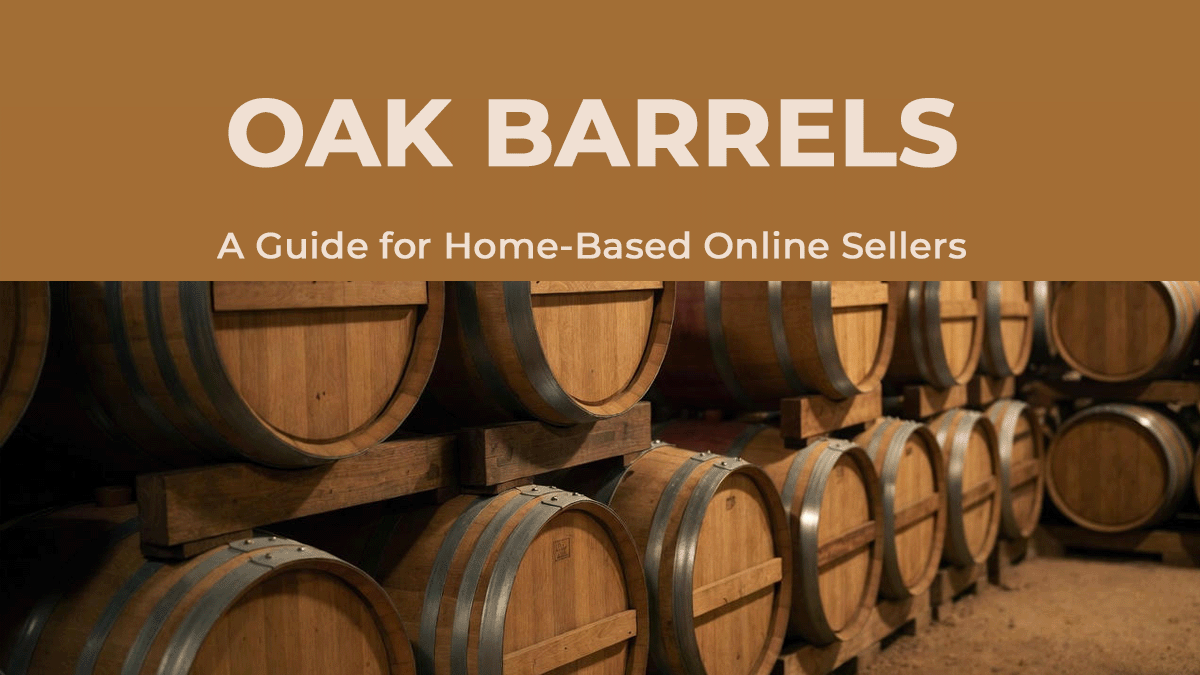
Oak barrels are a specialized product line with consistent demand across several mature markets, making them an interesting option for home-based online sellers who prefer durable, non-trend-driven products. Available through verified suppliers listed in WorldwideBrands.com, which connects sellers to over seventeen million products from legitimate wholesalers, oak barrels appeal to buyers who value craftsmanship, tradition, and long-term utility. They’re commonly used for aging spirits, wine, beer, hot sauces, and even specialty foods, giving sellers access to multiple buyer segments without chasing short-lived fads.
For online sellers, this offers a product category where buyers are typically informed, intentional, and willing to pay for quality. Unlike impulse-driven retail products, oak barrels are purchased with a clear purpose, which often leads to lower return rates and fewer post-sale issues. This makes them a strong fit for sellers who want predictable demand and fewer customer service headaches while building a focused ecommerce business.
Market Snapshot: The Rise of Oak Barrels
The global market for oak barrels continues to grow steadily in two thousand twenty-five, driven by expansion in craft beverage production, home distilling, and specialty food manufacturing. Industry data shows the global barrel market valued at over four billion dollars, with annual growth hovering around five percent. Increased interest in small-batch spirits, craft beer, and artisan food production has pushed oak barrels beyond commercial use into home-based and small business applications.
Retail visibility on platforms like Amazon and specialty suppliers serving wineries and distilleries shows oak barrels maintaining consistent sales volume year-round, rather than spiking seasonally. Google Trends data indicates stable search interest for this product over the past several years, with modest increases during late summer and fall tied to harvest cycles and brewing schedules. For online sellers, this stability signals a product line rooted in ongoing production needs rather than consumer hype cycles.
Target Demographic: Who’s Buying Oak Barrels?
The primary buyers of these barrels are adults aged thirty-five to sixty who are involved in craft production or serious hobbyist pursuits. This group includes small distillers, home brewers, winemakers, and specialty food producers who value quality materials and repeatable results. They tend to research extensively before purchasing, often comparing specifications, wood type, and capacity rather than shopping purely on price. These buyers commonly discover products through search engines, industry forums, and niche supplier websites.
A secondary audience includes restaurants, bars, and boutique hospitality businesses looking for oak barrels for functional use or aesthetic presentation. This group often shops through direct supplier websites rather than marketplaces, prioritizing reliability and consistent sourcing. Sellers targeting both groups benefit from detailed product pages, educational content, and clear sourcing information rather than aggressive promotional tactics.
Demand and Competition Analysis for Oak Barrels
Demand for oak barrels remains steady due to their role as a production tool rather than a discretionary purchase. Google Trends shows consistent search volume for oak barrels, particularly when paired with usage terms like aging or distilling. On Amazon, they typically sell at lower unit volumes than mass-market products, but at significantly higher price points, which supports profitability without requiring high sales velocity.
Competition varies by channel. Marketplaces like Amazon and eBay show a limited number of serious sellers, but competition is often price-driven and complicated by shipping costs, storage concerns, and platform fees. Large, heavy items like these also face higher fulfillment challenges on marketplaces, which can erode margins. Independent ecommerce websites allow sellers to better explain value, manage shipping expectations, and maintain stronger pricing control, making them a more favorable channel for this product line.
Profit Margin Potential of Oak Barrels
Oak barrels offer solid margin potential when sourced correctly. Wholesale pricing for smaller oak barrels, typically five to fifteen gallons, often ranges from seventy-five to one hundred fifty dollars depending on construction and sourcing. Retail prices commonly fall between one hundred fifty and three hundred dollars. This creates gross margins between fifty and sixty percent before fees and shipping.
On marketplaces, fees of thirteen to fifteen percent combined with shipping costs can reduce net margins to around thirty-five to forty percent. On an independent website, sellers avoid marketplace fees and can preserve margins closer to forty-five or fifty percent after payment processing and hosting costs. Because buyers expect higher prices and understand shipping realities, sellers have more flexibility to price for sustainability rather than racing to the bottom.
Year-Round Drawback of Selling Oak Barrels
The primary drawback of selling these barrels year-round is logistical rather than demand-based. Oak barrels are heavy, bulky, and costly to ship, which can deter price-sensitive buyers and complicate fulfillment. Shipping costs can represent a significant portion of the final price, sometimes discouraging smaller buyers or forcing sellers to absorb part of the cost.
This challenge can be mitigated by focusing on domestic suppliers, offering clear shipping estimates upfront, and targeting buyers who prioritize quality over convenience. Some sellers also reduce friction by specializing in smaller barrel sizes or offering local delivery options where feasible. While logistics require planning, they do not undermine the long-term viability of the product line when managed correctly.
Viability Verdict and Actionable Advice for Oak Barrels
Oak barrels are a viable product line for home-based online sellers who prefer stable demand, informed buyers, and higher per-unit revenue. While they are not a high-volume product, their pricing, buyer intent, and repeat-use nature support sustainable ecommerce models, particularly on independent websites. Sellers willing to handle shipping complexity and educate buyers can carve out a profitable niche without competing on hype or short-term trends.
Before selling oak barrels, sellers should research existing listings on Amazon, REI-style specialty suppliers, and independent ecommerce sites to understand pricing expectations, shipping structures, and buyer concerns. Studying buyer discussions in brewing, distilling, and artisan food communities helps clarify what customers value most and what questions they expect answered before purchasing.
When it comes to sourcing, using a verified wholesale directory matters even more with a product like oak barrels, where quality and consistency directly affect customer outcomes. WorldwideBrands.com gives sellers access to legitimate, vetted wholesalers offering oak barrels and related product lines, reducing the risk of unreliable suppliers or misrepresented inventory. Starting with verified sources allows sellers to focus on pricing, positioning, and customer education instead of supplier troubleshooting. For sellers focused on long-term stability rather than fast turnover, oak barrels represent a practical, research-driven opportunity that rewards preparation and thoughtful execution.