
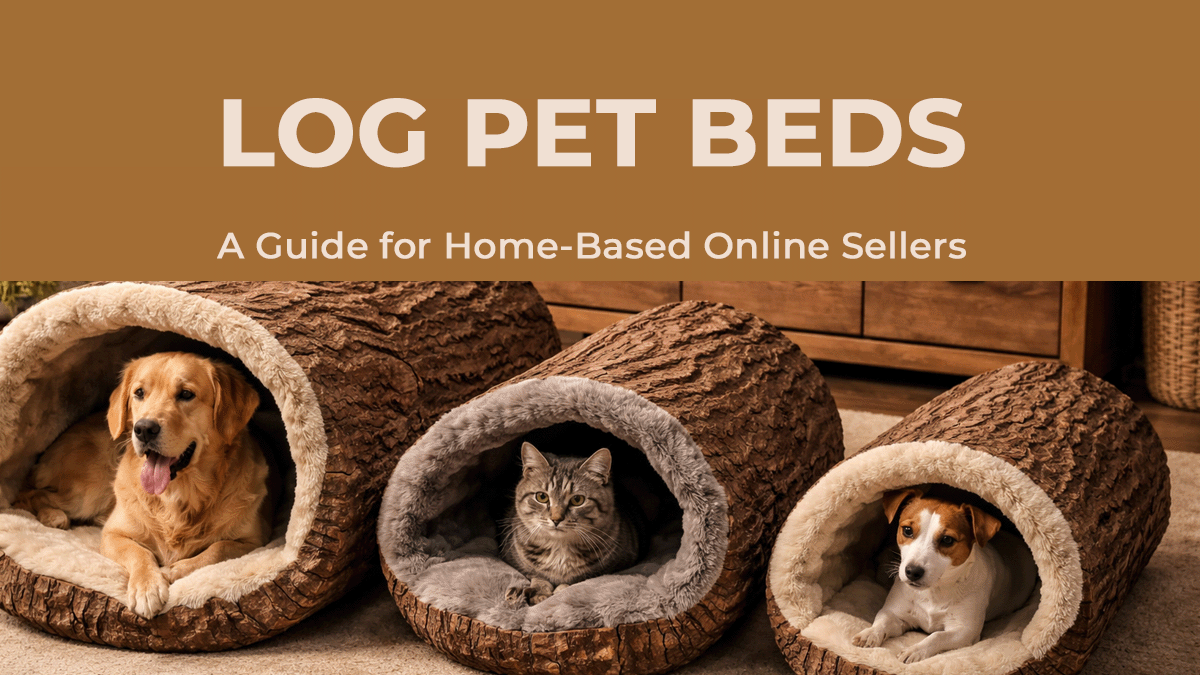
Log pet beds have carved out a steady niche in the broader pet products market by appealing to buyers who want something functional, natural-looking, and visually distinctive for their homes. These beds are designed to resemble hollowed logs or rustic wood forms while providing a comfortable resting space for pets. For online sellers, these beds represent a product line that blends utility with décor appeal, which is often where stronger buyer interest develops.
This product category is widely available through verified wholesale suppliers, including those found in the WorldwideBrands.com database, which connects sellers to millions of products from legitimate wholesalers. These pet beds fit well into ecommerce stores that focus on pet comfort, home aesthetics, or lifestyle-oriented pet ownership. They are not impulse toys. Buyers usually research before purchasing, which creates an opportunity for sellers who present them correctly.
Market Snapshot: The Rise of Log Pet Beds
The global pet furniture market continues to grow in two thousand twenty five as pet ownership trends shift toward premium and design-conscious purchases. Log beds fall into the decorative pet furniture segment, which has seen consistent year-over-year growth driven by homeowners who want pet items that do not clash with their interior style.
Search interest for log beds has increased alongside broader trends toward rustic décor, cabin-style interiors, and natural materials. Major retailers such as Amazon and specialty outdoor and lifestyle stores carry similar rustic pet products, signaling stable demand rather than a short-lived trend. While these platforms dominate volume, they also validate the product category for independent sellers looking to build niche storefronts.
Target Demographic: Who’s Buying Log Pet Beds?
The primary audience for log beds is adult pet owners between the ages of thirty and sixty who view pets as part of the household rather than accessories. Many of these buyers own dogs or cats and place high value on home aesthetics. They tend to live in suburban or rural environments and often own their homes, which makes decorative pet furniture more appealing.
A secondary audience includes gift buyers and seasonal shoppers looking for unique pet-related items. These buyers are active on platforms like Facebook, Pinterest, and Instagram, where rustic décor and pet lifestyle content performs well. Sellers can target these groups through visual merchandising, educational product descriptions, and lifestyle-based imagery rather than price-focused messaging.
Demand and Competition Analysis for Log Pet Beds
Demand for log beds is consistent rather than explosive, which is often a positive signal for long-term selling. Search trend data shows steady interest throughout the year, with modest increases during fall and winter when rustic décor themes become more prominent.
Competition on Amazon and eBay is noticeable, but much of it centers on mass-produced listings with minimal differentiation. Sellers on these platforms often compete on price and shipping speed, which can compress margins quickly. Independent ecommerce websites offer a different advantage. Sellers can position log beds as design-focused pet furniture, tell a story around craftsmanship or natural materials, and avoid direct price comparisons that dominate marketplaces.
Profit Margin Potential of Log Pet Beds
Wholesale pricing for these pet beds typically ranges from forty to seventy dollars depending on size and materials. Retail pricing on independent websites commonly falls between ninety and one hundred fifty dollars. This creates a healthy gross margin opportunity when positioned correctly.
On marketplaces, fees and competitive pricing can reduce net margins to around fifteen to twenty percent. On independent websites, sellers can often retain net margins closer to thirty to forty percent after marketing and fulfillment costs. Factors that influence profitability include shipping size, packaging efficiency, and whether the wholesaler offers drop shipping options.
Year-Round Drawback of Selling Log Pet Beds
One challenge with log pet beds is mild seasonality tied to décor trends. Sales often dip slightly during late spring and early summer when buyers shift attention toward outdoor activities and travel. Data across similar décor-focused pet products shows seasonal drops of ten to fifteen percent during these periods.
Sellers can mitigate this by repositioning log pet beds as comfort items rather than décor pieces during slower months. Bundling with pet blankets or emphasizing cooling inserts can help maintain interest. Content marketing and email campaigns focused on pet wellness rather than aesthetics also help smooth seasonal fluctuations.
Viability Verdict and Actionable Advice for Log Pet Beds
Log pet beds are a viable product line for home-based online sellers who understand their positioning. Demand is stable, competition is manageable outside of major marketplaces, and profit margins are strong when sellers avoid racing to the lowest price.
Before selling, research existing listings to understand pricing patterns and presentation styles. Study how buyers discuss similar products on social media and review platforms to identify what resonates. Sourcing through WorldwideBrands.com allows sellers to work with verified wholesalers and avoid unreliable suppliers.
For sellers choosing between marketplaces and independent websites, log pet beds generally perform better when branding and storytelling are prioritized. Marketplaces may move volume, but websites offer better control, higher margins, and long-term brand equity.
When approached strategically, log pet beds can become a reliable, sustainable product line rather than a short-term experiment.