
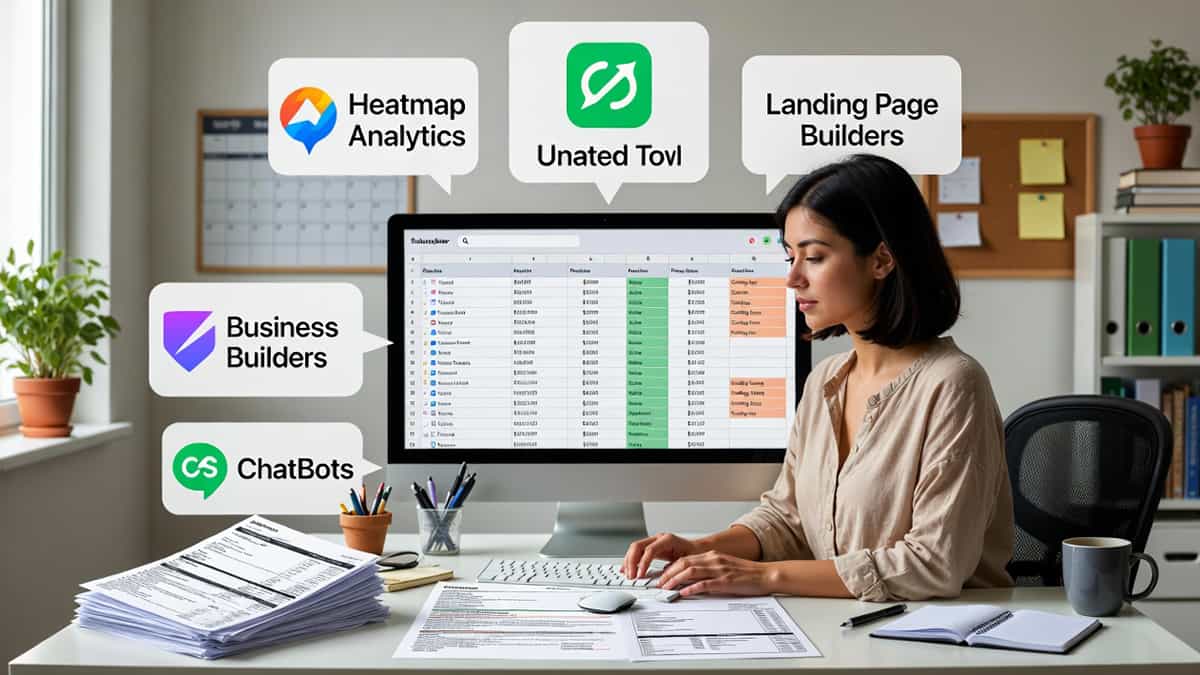
Running a home-based store is supposed to mean low overhead. No retail rent, minimal utilities, and none of the traditional costs that come with operating a physical location. On paper, that sounds like a massive advantage. In practice, many sellers unknowingly replace those expenses with something far less visible but equally damaging.
Recurring software charges.
Unlike rent or payroll, ecommerce business expenses tied to subscriptions don’t feel serious. They’re small, frequent, and easy to justify. Over time, however, they quietly chip away at profit margins until a store that should be profitable struggles to break even.
The problem isn’t technology. The problem is accumulation without evaluation.
Small Charges Create Big Ecommerce Business Expenses
Most sellers don’t wake up one day and decide to overspend on tools. The process happens gradually. A keyword research tool here. A competitor tracker there. Then a chatbot, an email platform upgrade, a reporting dashboard, and a conversion optimization plugin.
Individually, each looks harmless. Together, they form a significant layer of ecommerce business expenses that often exceeds product costs.
Software companies understand this psychology. Free trials convert into automatic billing, and low monthly pricing discourages cancellation. Sellers rarely track these costs because they don’t feel like traditional overhead.
Yet financially, they function exactly the same way.
When Tools Become Decoration Instead of Strategy
A tool earns its place when it directly increases revenue or reduces workload. Many don’t.
Consider analytics add-ons that duplicate existing reports, abandoned cart tools recovering only a few orders a year, or market intelligence dashboards checked once a month. These services create the impression of progress while providing little measurable return.
This is where ecommerce business expenses become dangerous. They mimic productivity without improving performance.
Professional sellers eventually reach a point where they can explain exactly why each service exists and what result it produces. Beginners often collect tools based on recommendations rather than operational need.
The difference between those two approaches shows up in profitability.
The Myth of the Perfect Software Stack
Online advice frequently promotes building a “complete tech stack.” Sellers are encouraged to install everything early so the business can scale later. The intention sounds logical but leads to premature spending.
Many stores don’t yet have the traffic, product range, or order volume to justify automation layers. A loyalty program without repeat buyers adds cost but no value. Advanced segmentation software without a mailing list creates complexity instead of growth.
Managing ecommerce business expenses requires timing. The right tool at the wrong stage becomes waste.
Experienced sellers typically operate leaner systems than beginners expect. As they learn what truly affects sales, unnecessary services disappear.
Evaluating Software the Practical Way
A useful method is reviewing financial statements quarterly and isolating recurring charges connected to operations. Sellers who perform this exercise often discover subscriptions they forgot existed.
From there, the decision process becomes straightforward. If a service hasn’t been used recently, doesn’t clearly save time, or hasn’t generated revenue, it probably doesn’t belong in the budget.
Platforms already include more functionality than many realize. Shipping estimates, analytics, keyword insights, and reporting often exist natively inside ecommerce software or free external tools. Replacing redundant subscriptions immediately reduces ecommerce business expenses without harming operations.
Another key habit is resisting future-problem purchases. Buying solutions for growth stages not yet reached rarely helps performance today. Matching tools to current needs keeps spending proportional to revenue.
Finally, setting a recurring calendar reminder to review costs prevents them from returning unnoticed. Businesses drift toward complexity by default. Maintenance prevents it.
Why Lean Operations Improve Profitability
Reducing unnecessary ecommerce business expenses does more than cut costs. It improves decision making.
When sellers rely on fewer tools, they pay closer attention to the data that actually matters. They learn their numbers instead of outsourcing understanding to dashboards. That clarity often leads to smarter product choices and more effective marketing adjustments.
A lean store also adapts faster. Fewer systems mean fewer conflicts, fewer technical issues, and less time spent troubleshooting software instead of selling products.
The goal isn’t avoiding technology. It’s ensuring every expense earns its position.
A Practical Approach for Online Sellers
Before launching new products or adjusting pricing, sellers should analyze operational spending. Reviewing listings, researching demand, and sourcing inventory through trusted directories like WorldwideBrands.com helps establish solid margins, but controlling internal costs is equally important.
Amazon and eBay fees already compress profits. Adding avoidable subscriptions on top of marketplace commissions compounds the problem. Independent websites allow better margin control, but only if operating costs remain disciplined.
Successful stores manage both sides of the equation: revenue and expense.
Final Perspective
Ecommerce rewards efficiency. The lowest-cost operation isn’t the one with the fewest products or smallest advertising budget. It’s the one where every dollar spent contributes to growth.
Subscriptions feel harmless because they’re small. Collectively, they’re often the difference between a struggling store and a sustainable one.
Managing ecommerce business expenses isn’t about eliminating tools. It’s about accountability. Every service should justify its existence with measurable benefit.
Anything else is simply overhead wearing a disguise.