
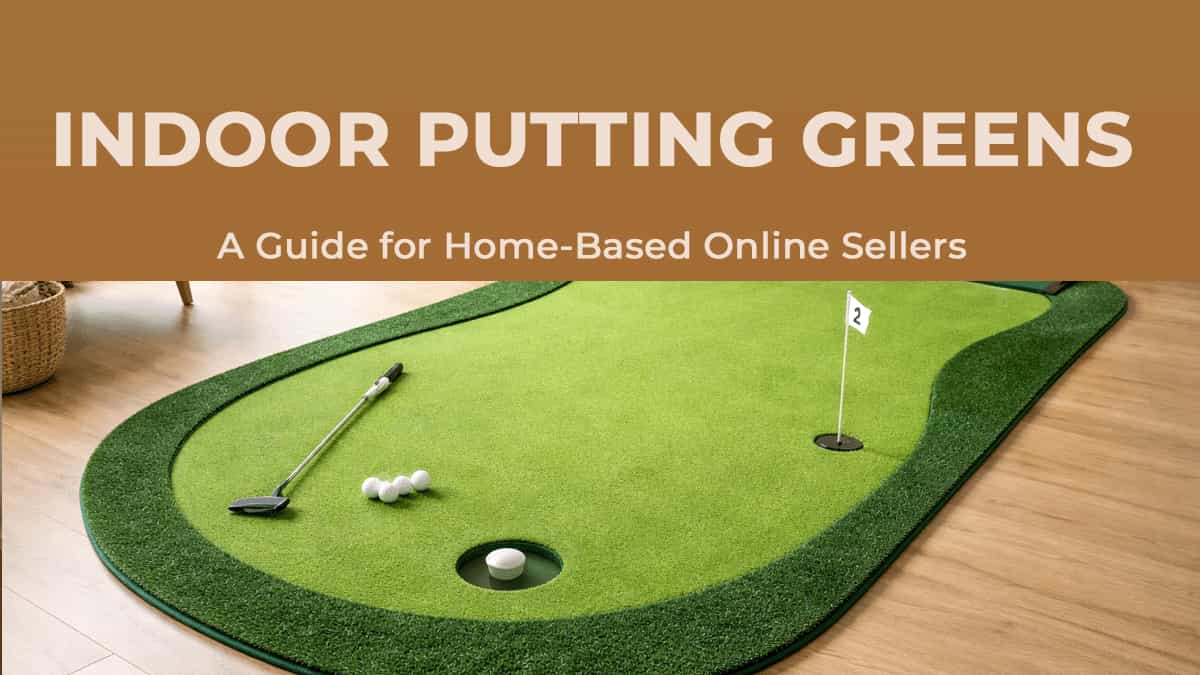
An indoor putting green is a home recreation product designed for practice, relaxation, and entertainment. Buyers don’t view it as a toy. They see it as a lifestyle upgrade that blends sports, décor, and stress relief into one purchase. That makes the indoor putting green a strong candidate for online sellers who want to serve motivated buyers instead of casual browsers.
Through WorldwideBrands.com, sellers gain access to verified wholesalers carrying over seventeen million products, including multiple variations of the indoor putting green. Because the product appeals to hobbyists rather than impulse shoppers, customers usually arrive already intending to buy. That shortens the sales cycle and improves conversion rates.
Buyers increasingly want activities that happen at home but still feel productive. A putting surface fits that trend perfectly. It offers practice without a course visit and entertainment without screens, which positions it well in both the sports and home leisure categories.
For sellers building a focused store rather than a general catalog, the indoor putting green provides a recognizable niche that’s easy to explain and easy to market.
Market Snapshot: The Rise of Indoor Putting Greens
Search data shows the indoor putting green averages roughly ten thousand to twenty thousand global monthly searches in twenty twenty five. That volume reflects consistent demand rather than viral spikes. In ecommerce, steady demand is usually safer than trending products because planning becomes predictable.
Major marketplaces such as Amazon and sporting retailers list hundreds of options. Price tiers range from entry level mats to decorative furniture style installations. The wide range confirms category maturity rather than saturation. Mature categories indicate buyer familiarity, which reduces education costs for sellers.
The home recreation market has grown alongside remote work lifestyles. Buyers now invest more in personal comfort and skill building activities. Golf participation itself remains stable globally, which keeps interest in training equipment steady even during economic shifts.
For a seller, this means the indoor putting green isn’t dependent on holidays or trends. It benefits from ongoing interest in self improvement and hobby practice, creating repeatable traffic throughout the year.
Target Demographic: Who’s Buying the Indoor Putting Green?
The primary audience includes adults aged thirty to sixty five who play golf recreationally. They value convenience and consistency more than novelty. Many already spend on golf equipment, so they’re comfortable paying for tools that improve performance at home.
A secondary audience includes homeowners seeking décor friendly entertainment pieces. These buyers may not play full rounds but enjoy skill games during gatherings. They often shop online through independent stores rather than strictly large marketplaces, especially when the store demonstrates expertise.
Both groups research heavily before purchasing. They watch demonstration videos, read comparisons, and check dimensions carefully. Because of this behavior, informative product descriptions outperform flashy marketing language.
For targeting, sellers should emphasize use cases rather than hype. Practice improvement content appeals to golfers, while entertainment and relaxation messaging attracts casual buyers. That dual positioning broadens reach without changing the product itself.
Demand and Competition Analysis for Indoor Putting Greens
Search behavior indicates high purchase intent. Queries often include words like best, size, or comparison. Those phrases signal readiness to buy rather than curiosity. A well structured listing can capture these shoppers effectively.
Competition on Amazon is intense due to international imports competing on price alone. Marketplace fees and ranking systems push sellers toward thin margins and frequent price adjustments. Competing solely on cost usually leads to unstable profits.
Independent ecommerce websites provide stronger control. Sellers can bundle accessories, offer installation guidance, and explain sizing differences clearly. Buyers researching a hobby product often prefer specialized stores over crowded marketplaces.
A balanced strategy works best. Use Amazon for discovery and credibility, but direct long term customers to your own website where margins and repeat sales improve. This approach stabilizes revenue while reducing reliance on algorithms.
Profit Margin Potential of the Indoor Putting Green
Wholesale prices typically range from eighty dollars to two hundred dollars depending on length and materials. Retail prices generally land between one hundred ninety nine dollars and five hundred dollars. Decorative premium models can exceed that range.
For example, sourcing at one hundred twenty dollars and selling at three hundred twenty nine dollars yields a gross margin near sixty three percent. After marketplace fees and fulfillment costs, net margins may fall to twenty five to thirty percent on Amazon.
Selling through a personal website improves profitability significantly. With controlled shipping and direct customer communication, net margins often rise to forty to fifty percent. Higher ticket items benefit more from direct sales because fees scale with price.
Shipping costs remain manageable because most units roll into compact boxes. Return rates stay low when dimensions and expectations are clearly communicated, making the indoor putting green a relatively stable margin product.
Year-Round Drawback of Selling Indoor Putting Greens
The main drawback is seasonal interest. Demand increases during colder months when golfers practice indoors and during holidays when buyers shop for gifts. Warmer seasons can see a fifteen percent dip in traffic.
Sellers can offset this by repositioning messaging toward skill improvement and stress relief rather than weather convenience. Content explaining daily practice routines keeps relevance even when outdoor courses are available.
Bundling accessories such as alignment aids or training balls also keeps engagement active year round. Expanding the narrative from seasonal recreation to daily habit building reduces dependence on peak periods.
With consistent content and positioning, the indoor putting green becomes a practice tool instead of a winter substitute.
Viability Verdict and Actionable Advice for Indoor Putting Greens
The indoor putting green is a strong niche product for home based online sellers. Demand remains steady, margins are workable, and the audience is defined enough to target precisely. Compared with broad sporting goods categories, competition feels manageable when messaging focuses on expertise.
Before selling, study marketplace listings carefully. Identify missing information such as room sizing guidance or difficulty levels. Providing clarity immediately separates your store from generic listings.
Next, research golfer forums and practice tutorials to learn customer language. Use that vocabulary naturally in descriptions and content so buyers recognize authority quickly. Then source inventory through WorldwideBrands.com to ensure supplier reliability and consistent product quality.
Finally, think long term. Use marketplaces for exposure but build your own website for loyalty and higher profit. The indoor putting green rewards sellers who educate rather than simply list products. With preparation and targeted positioning, it can become a dependable category in a 2026 ecommerce store.