
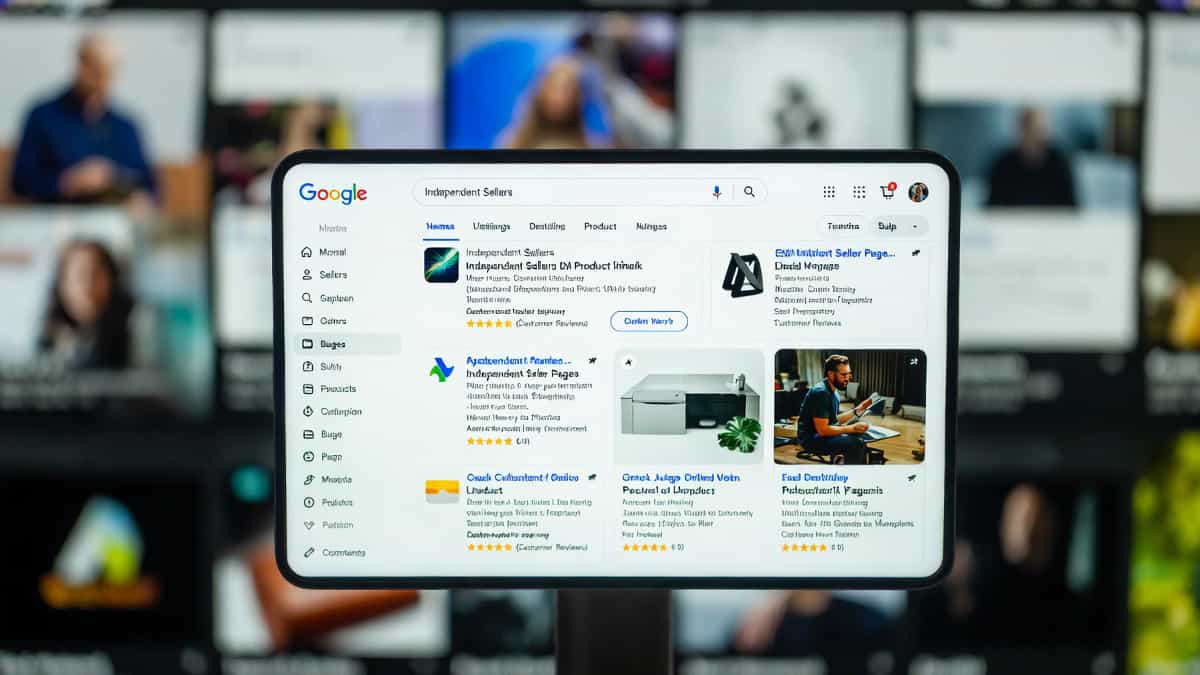
It’s easy to assume that massive marketplaces have already swallowed ecommerce whole. When you see billion-dollar brands dominating ads and listings, it can feel like there’s no oxygen left for independent sellers. But that assumption ignores how buyers actually behave online, and that’s where ecommerce SEO strategy comes into play.
Most customers don’t wake up thinking, “Let me open a marketplace and scroll.” They start with questions. They search. They compare. They read. An ecommerce SEO strategy changes the game. Instead of competing inside a crowded marketplace grid, you show up where decisions are still forming.
For sellers sourcing through WorldwideBrands.com, which connects you to more than seventeen million products from verified wholesalers, the opportunity isn’t small. With the right SEO strategy, you’re not fighting giants head to head. You’re meeting buyers earlier, when clarity and credibility matter more than brand size.
Market Reality: Where Buyers Actually Begin
Search engines remain one of the primary starting points for product research in 2025. Even when transactions eventually happen on marketplaces, discovery often begins elsewhere. People search for buying guides, comparisons, and solutions before they commit.
That behavior creates space for independent retailers. An SEO strategy allows you to appear during that research phase, not just at checkout. When someone searches for guidance rather than a specific SKU, you’re competing on understanding, not volume.
Large marketplaces are efficient, but they aren’t personal. They’re built for speed. An ecommerce SEO strategy lets you slow the conversation down just enough to educate, reassure, and guide buyers toward a confident decision.
Why Marketplaces Struggle to Educate
Marketplaces excel at logistics and scale. They do not excel at nuance. Product pages often feel repetitive, thin, or generic because they’re optimized for throughput, not depth.
An ecommerce SEO strategy takes the opposite approach. Instead of compressing information, you expand it. You explain differences between options. You answer common objections. You anticipate confusion before it happens.
Search engines reward that effort. When your ecommerce SEO strategy prioritizes helpful content and structured information, your pages gain authority over time. That authority becomes a traffic asset you own, rather than a temporary position in someone else’s algorithm.
Discovery Versus Price Competition
If you’ve ever listed products inside a marketplace, you’ve seen what happens next. Rows of similar listings. Nearly identical photos. Tiny price differences driving decisions.
An ecommerce SEO strategy moves the competition away from pennies and toward positioning. When buyers land on a well structured page that explains who the product is for and why it matters, price becomes one variable, not the only one.
Independent sellers who implement an ecommerce SEO strategy gain room to differentiate. Instead of racing to the bottom, you compete on insight. That subtle shift often protects margins and strengthens long term brand value.
Quality Visibility and Search Engines
High quality products can disappear inside massive platforms. Advertising budgets and high volume sellers dominate visibility. Even strong items can get buried.
An ecommerce SEO strategy changes that dynamic. Search engines evaluate relevance, structure, and usefulness. If your product pages demonstrate expertise and clarity, they can rank alongside much larger competitors.
For sellers working with trusted wholesale suppliers through WorldwideBrands.com, that visibility matters. A well executed ecommerce SEO strategy ensures your product isn’t lost in a sea of duplicates but positioned as a credible option backed by knowledge.
Building a Sustainable Competitive Edge
A strong ecommerce SEO strategy isn’t built overnight. It requires thoughtful product descriptions, organized category structures, and consistent content that addresses real buyer concerns.
Instead of chasing every trending tactic, you build assets. Product pages become educational resources. Category pages guide decision making. Supporting content answers questions your customers haven’t even typed yet.
Over time, that consistency compounds. The ecommerce SEO strategy you implement today continues generating traffic months or years from now. That kind of stability is difficult to achieve inside marketplace ecosystems where rules shift without notice.
Long Term Implications for Independent Sellers
In 2025, traffic control is leverage. When your revenue depends entirely on third party platforms, you’re exposed to fee increases, policy changes, and ranking volatility.
An ecommerce SEO strategy reduces that vulnerability. By building organic visibility, you create a channel that isn’t rented. It’s earned. That distinction becomes more important as competition intensifies.
For home based sellers researching product lines through WorldwideBrands.com, integrating an ecommerce SEO strategy from the beginning builds structure into your business. Instead of reacting to marketplace trends, you proactively attract buyers who are already searching for what you offer.
Conclusion
Large platforms are powerful, but they don’t own every buyer. Many purchasing journeys still begin with search. That reality creates opportunity for independent sellers willing to invest in clarity and structure.
An intentional ecommerce SEO strategy positions you where decisions start, not just where transactions finish. It allows you to compete on understanding instead of scale.
When you build with that perspective, you’re not trying to outspend giants. You’re outmaneuvering them. And in today’s ecommerce environment, that often makes all the difference.