
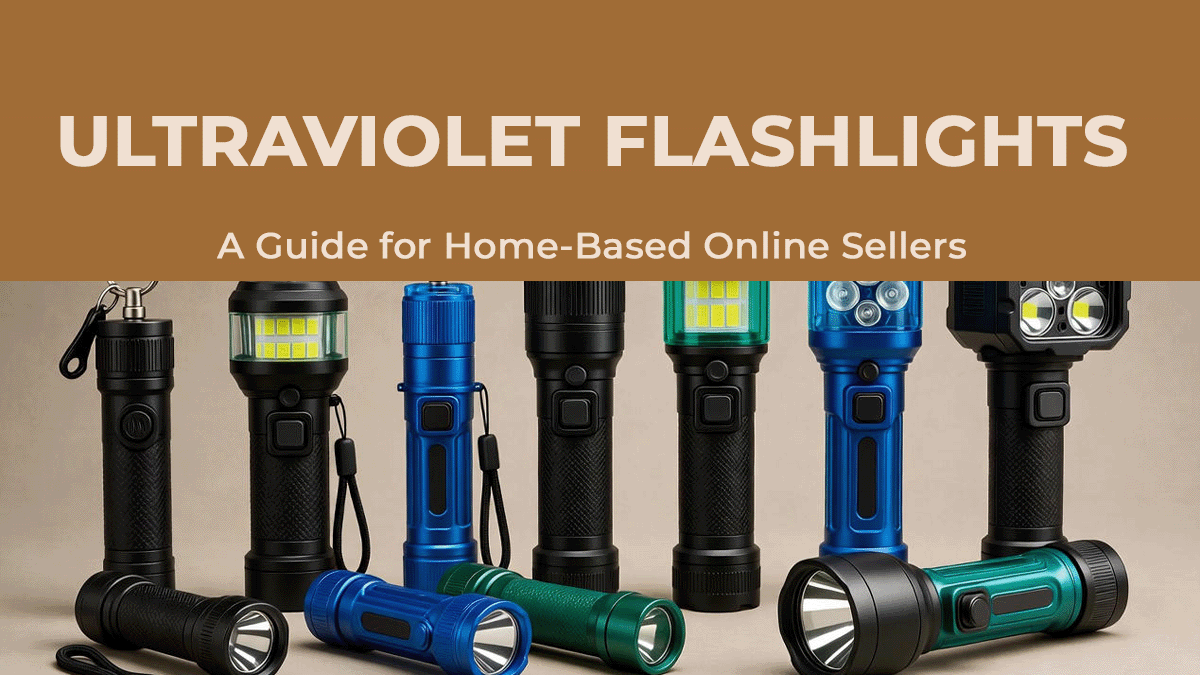
UV flashlights are a niche but steadily growing product line that many home-based online sellers overlook. Often used for inspection, verification, and specialty tasks, UV flashlights appeal to buyers who already understand their purpose and are actively searching for reliable options. That makes them a practical category for sellers who want informed customers rather than impulse buyers.
This product line is widely available through WorldwideBrands.com, which provides access to over 17 million products from verified wholesalers. For sellers, that means consistent sourcing, predictable replenishment, and fewer surprises once sales begin. UV flashlights fit well into an ecommerce model focused on education driven purchasing rather than trend chasing.
In 2025, buyers increasingly research before purchasing specialty tools, and UV flashlights benefit from that behavior. They are not novelty items, and demand is tied to real world use cases. That alignment makes UV flashlights a solid option for sellers who want a focused, research based product line rather than a seasonal gamble.
Market Snapshot: The Rise of UV Flashlights
The global flashlight and portable lighting market continues to grow steadily, reaching an estimated value of over 9 billion dollars in 2025. Within that space, UV flashlights represent a smaller but consistently expanding segment, driven by professional, hobbyist, and inspection related demand. Industry data shows specialty flashlight categories growing at roughly 6 percent year over year, outpacing general purpose lighting.
Search activity for UV flashlights has remained stable throughout the year, with noticeable increases tied to home inspections, collectibles, and personal verification needs. Platforms like Amazon show UV flashlights ranking well within specialty tools rather than general lighting, which helps maintain pricing stability. REI and similar specialty retailers also carry UV light products, reinforcing their legitimacy as a long term category.
For online sellers, this stability matters. UV flashlights are not dependent on weather, holidays, or short lived trends. The market grows slowly but predictably, which favors sellers who value consistency over hype driven spikes. That makes this category appealing for building steady ecommerce revenue.
Target Demographic: Who’s Buying the UV Flashlights?
The primary demographic for these flashlights includes adults aged 30 to 55 who value utility and accuracy. This group often includes home inspectors, automotive enthusiasts, collectors, and pet owners dealing with household verification tasks. They tend to research products carefully, read reviews closely, and prioritize reliability over aesthetics.
These buyers frequently shop on Amazon and independent websites, especially when they find detailed product explanations. They are less influenced by social media trends and more by clear descriptions, comparisons, and educational content. For sellers, that means product pages need clarity and context rather than flashy messaging.
A secondary demographic includes hobbyists and collectors aged 25 to 45 who use UV flashlights for authentication and evaluation. This audience is active in online forums, Reddit communities, and niche Facebook groups. Sellers can reach them through educational blog content, comparison guides, and targeted search traffic rather than broad social campaigns.
Demand and Competition Analysis for UV Flashlights
Demand for ultraviolet flashlights is driven by steady search behavior rather than spikes. Google Trends data shows consistent interest throughout the year, with minor increases during spring and fall when home inspections and vehicle maintenance peak. Monthly global searches for UV flashlights are estimated between 12,000 and 18,000, placing the focus keyword squarely in a healthy research driven range.
Competition varies significantly by sales channel. On Amazon, searches for UV flashlights return several hundred listings, many of which rely on generic branding and minimal differentiation. Price competition exists, but it is less aggressive than in mass market flashlight categories. eBay shows similar patterns, with sellers often competing primarily on price rather than presentation.
Independent websites offer a different opportunity. Sellers who build focused content around UV flashlights can avoid direct price wars and emphasize education instead. Without marketplace fees and algorithm pressure, websites allow better margin control and brand positioning. While traffic must be earned through SEO and content, the competitive field is far less crowded.
Profit Margin Potential of the UV Flashlights
UV flashlights offer respectable margins when sourced correctly. Wholesale pricing through verified suppliers typically ranges from 6 to 12 dollars per unit, depending on order volume and specifications. Retail pricing commonly falls between 18 and 35 dollars, depending on positioning and sales channel.
On Amazon or eBay, a UV flashlight sold at 24 dollars with a wholesale cost of 8 dollars yields a gross margin of roughly 66 percent. After platform fees averaging 13 to 15 percent, plus shipping and payment processing, net margins often settle between 35 and 45 percent. These margins are workable but sensitive to fee changes and competitive pricing pressure.
Selling through an independent website improves margin stability. Without marketplace fees, net margins can remain between 50 and 60 percent after standard processing costs. Sellers who invest in educational content and organic traffic can maintain pricing without constant undercutting, which supports healthier long term profitability.
Year-Round Drawback of Selling UV Flashlights
While these flashlights are not seasonal in the traditional sense, they do face a perception challenge. Many buyers do not fully understand their use until a specific need arises. This creates uneven purchasing patterns tied to problem recognition rather than routine buying behavior.
Sales data shows modest dips of around 20 percent during late summer months when inspection and maintenance activity slows. Unlike outdoor gear, demand does not disappear, but it can soften temporarily. Sellers who overstock without understanding this cycle may experience slower inventory turnover.
To mitigate this issue, sellers can focus on educational positioning year round. Content that explains when and why UV flashlights are useful helps create demand rather than waiting for it. Bundling these flashlights with related inspection tools or positioning them within problem solving guides can also smooth sales consistency.
Viability Verdict and Actionable Advice for UV Flashlights
UV flashlights are a viable and often underestimated product line for home-based online sellers. They offer stable demand, manageable competition, and solid margins, especially for sellers willing to educate their audience. While they are not a high volume impulse product, they reward clarity and positioning over aggressive discounting.
Before selling UV flashlights, sellers should analyze existing listings across Amazon and eBay to confirm realistic retail pricing and buyer expectations. Pay close attention to product descriptions and customer questions, as these reveal gaps you can address on your own site. If launching independently, plan content that answers practical buyer concerns clearly and directly. Sourcing through WorldwideBrands.com ensures access to verified wholesalers and consistent inventory, which is critical for specialty products. Take time to review supplier terms, minimum orders, and replenishment timelines before committing. With proper research and positioning, UV flashlights can become a dependable part of a focused ecommerce business rather than a short term experiment.