
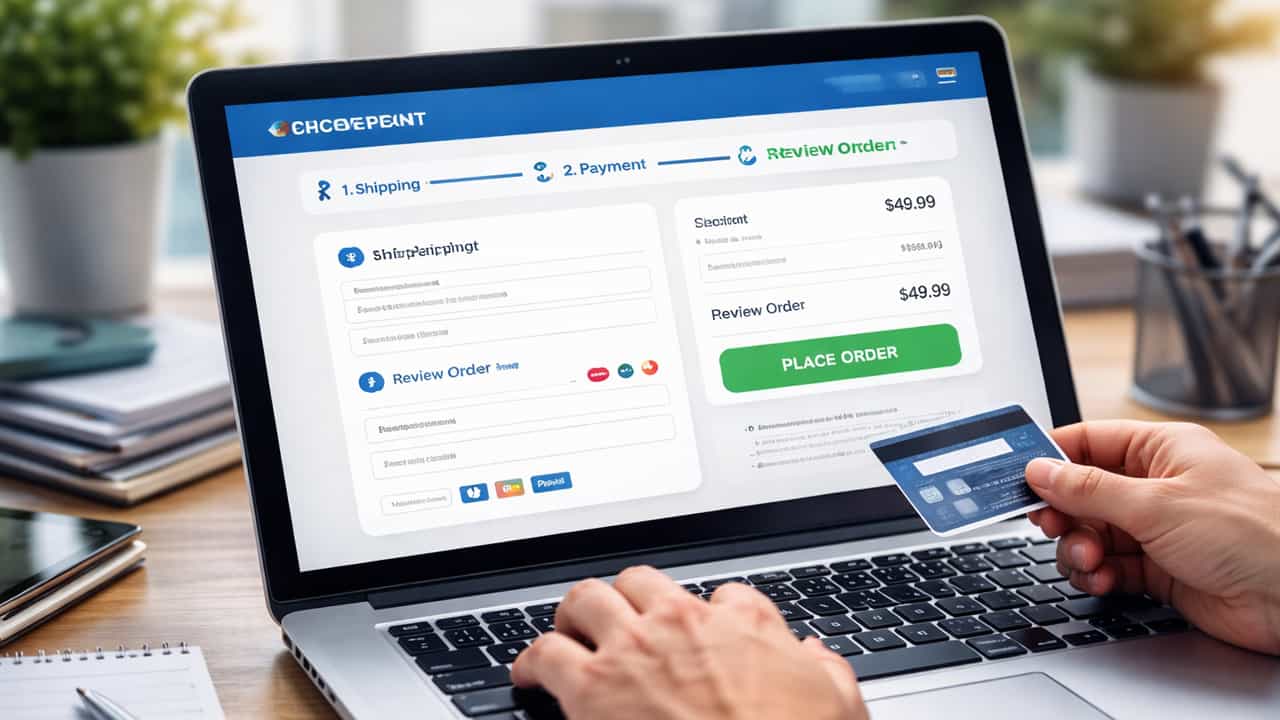
For many online sellers, stalled revenue is often blamed on traffic, advertising, or product selection. While those areas matter, one of the most common causes of lost sales sits much closer to the finish line. A poorly structured checkout experience quietly undermines conversions, even when everything else appears to be working.
Checkout optimization focuses on removing friction from the buying process so customers can complete their purchase without hesitation. When shoppers reach the checkout stage, they have already shown intent. Any confusion, delay, or unexpected obstacle at that point increases the likelihood that they abandon the transaction altogether.
For home-based sellers, improving checkout optimization is often more effective than increasing traffic, because it addresses problems that affect every potential buyer.
Where Sales Break Down at Checkout
Many online stores perform well through browsing and cart activity, yet struggle to convert those carts into completed orders. This gap usually signals a checkout problem rather than a demand issue. Customers may encounter too many steps, unclear calls to action, or unexpected costs that disrupt momentum.
Checkout optimization requires seeing the process from the buyer’s perspective. Sellers who regularly test their own checkout flow often discover issues they had overlooked, such as slow page loads on mobile devices or form fields that feel unnecessary. These small inconveniences compound quickly when buyers are ready to pay.
Instead of assuming customers will tolerate friction, effective sellers treat checkout as a streamlined pathway rather than a final hurdle.
What a High-Performing Checkout Experience Includes
Successful checkout optimization centers on simplicity and clarity. A streamlined process typically involves only a few steps, clear pricing visibility, and a layout that works equally well on desktop and mobile devices. Buyers should never need to guess what happens next or search for the total cost.
Transparent pricing plays a major role here. When shipping fees or taxes appear late in the process, trust erodes. Customers often interpret these surprises as a warning sign, even if the cost itself is reasonable. Showing all costs early supports confidence and reduces hesitation.
Checkout optimization also prioritizes speed. Pages that load slowly or require excessive data entry increase abandonment rates, especially on mobile devices where patience is limited.
Why Customers Leave Without Buying
Buyers rarely abandon a checkout because they change their mind about the product. More often, they leave because the process feels inefficient or confusing. Extra form fields, forced account creation, or unclear payment options introduce friction at the worst possible moment.
From a checkout optimization standpoint, every additional decision a buyer must make increases cognitive load. Too many payment methods, unclear buttons, or optional fields can slow progress and create doubt. Customers generally want to complete the transaction quickly and move on.
Sellers who reduce decision points and simplify navigation give buyers fewer reasons to stop and reconsider.
The Role of Mobile Checkout Performance
Mobile commerce continues to represent a growing share of online sales, which makes mobile checkout optimization essential. A checkout experience that works well on desktop but struggles on a phone creates immediate losses.
Optimized checkouts support autofill, minimize typing, and load efficiently across devices. Sellers who test checkout performance on multiple browsers and screen sizes often uncover issues that only appear in certain environments.
Because many customers shop casually on mobile devices, even minor frustrations can lead to abandonment. Mobile friendly checkout optimization directly supports higher conversion rates.
Measuring Whether Your Checkout Is Working
Abandoned cart data provides valuable insight into checkout performance. While some level of abandonment is normal, consistently high rates often indicate structural issues. Checkout optimization focuses on improving the experience rather than chasing unrealistic perfection.
Testing the checkout process personally remains one of the most effective diagnostic tools. Completing test purchases, observing load times, and reviewing each step as a new customer would reveals problems that analytics alone may not highlight.
Addressing these issues early prevents sellers from misdiagnosing checkout problems as marketing failures.
Why Checkout Optimization Outperforms Traffic Increases
Increasing traffic does not fix conversion problems. In fact, sending more visitors through a flawed checkout magnifies losses rather than improving results. Checkout optimization improves performance for every visitor who reaches the buying stage.
When the checkout process is clear and efficient, existing marketing efforts become more effective without additional spend. Emails convert more consistently. Product pages perform better. Advertising campaigns deliver stronger returns.
For home-based sellers managing limited resources, checkout optimization represents one of the highest impact improvements available.
Creating a Checkout That Supports Growth
A well optimized checkout is not designed to impress visually. It is designed to disappear. The best checkout experiences allow buyers to complete purchases without thinking about the process at all.
Sellers who focus on clarity, speed, and transparency create environments where customers feel comfortable finishing transactions. This trust supports repeat business and long term growth.
Checkout optimization is not a one-time task. As platforms update and buyer behavior evolves, regular testing ensures the experience remains efficient and aligned with expectations.
Final Perspective on Checkout Optimization
Checkout optimization determines whether interest turns into revenue. While marketing attracts attention, checkout performance decides outcomes. Sellers who invest time in simplifying and testing this final step often discover untapped potential in their existing traffic.
By reducing friction, clarifying costs, and supporting mobile users, online sellers create conditions where customers can complete purchases confidently. When checkout works as intended, sales follow naturally. For sellers looking to improve performance without expanding workload, checkout optimization is one of the most practical places to start.